Does art make you happy? How art influences your mental health
February 2026
Personally, I can’t live without art. Whether it’s paintings, music, dance or literature, art moves and inspires me. It also brings people together. But does art actually make us happier? Scientific research in recent years shows that art is much more than a hobby, it has a significant impact on our wellbeing. In this article, I explore the science behind art and happiness and share some practical tips to help you bring more creativity into your life for personal growth.
Scientific evidence: art and happiness
Recent studies conducted by renowned universities such as the University of Vienna, Trinity College Dublin and Humboldt University of Berlin show that simply viewing art can directly improve your mood. It’s not about knowledge or expertise, but about the personal connection you feel when you encounter a work of art. After visiting a museum or gallery, people often feel fulfilled and re-energised. This effect appears to work for everyone, regardless of whether you’re an art expert or not.
Why does art make us happy?
Art touches our emotions. That may sound simple, but there’s a lot of psychology behind it. When we experience or create art, dopamine is released in our brains. This chemical is linked to feelings of pleasure, motivation and reward, giving you the boost you need to finish something and pursue your goals. Dopamine is often called a ‘happiness hormone’, but it’s really a reward chemical; the same one you experience when you enjoy good food, exercise or fall in love. This applies both to making art and to appreciating it.
Stress reduction and relaxation
Feeling stressed? Go and look at or create some art. Viewing art lowers your cortisol levels (the stress hormone), which helps you relax while improving your focus. It can lead to a form of ‘visual meditation’: by concentrating on the details, colours and emotions within an artwork, your stress levels decrease and you’re better able to cope with everyday worries. Research shows that just 30 minutes of creative activity or art appreciation is enough to lower stress hormones. This happens because you become fully absorbed in the moment, leaving little room for overthinking. A simple sketch, colouring page or collage can already help your brain unwind.
How art affects us emotionally
And what about our mental state when we look at art? According to experts, art provides a safe way to express and process complex emotions. Many people struggle to put feelings such as sadness, fear or frustration into words. Art, whether you create it or simply observe it, helps to make these emotions visible and manageable. For many, it’s a liberating process that helps them feel more balanced.
Art fosters connection and empathy
Art brings people together. Whether you join a painting group, share your work on social media, or do crafts with friends, creativity strengthens social bonds and creates a sense of belonging. In museums, theatres and concert halls, we share experiences and emotions, which deepens our sense of connection. These social interactions and shared moments contribute to our happiness. In addition, research shows that engaging with art can increase empathy: by immersing yourself in the stories and emotions expressed in artworks, you develop a deeper understanding of others and of yourself.
Creativity and personal growth
Creating art not only stimulates your creativity but also helps you look at things differently and solve problems in new ways. This process of self-expression and discovery contributes to personal growth and a greater sense of control over your own life. For that reason alone, it should be a compulsory subject in schools!
Art therapy as a way to express yourself
If you struggle with stress, anxiety, low self-esteem or other mental health issues, consider art therapy. Through drawing, painting, music or dance, you can express feelings safely when words are hard to find. It helps you process emotions, work through trauma and build mental resilience. Art therapy is accessible to everyone, you don’t need any artistic skills to benefit from it.
Become happy through art
You can pick up a brush yourself, take a sculpture or music class, or attend a drawing workshop to discover what art does for you. But you can also simply view art in a museum or gallery. Take the time to really absorb what you see. At home, you might display artworks that inspire you and give you a positive feeling. During stressful periods, even a few mindful minutes each day spent looking at a piece of art can make a difference.
Art as a source of happiness
So yes, art can make you happy and science supports this. Whether you actively create art, enjoy the work of others, or use it as a therapeutic tool, art is a powerful way to reduce stress, process emotions, connect with others and stimulate creativity. People who regularly immerse themselves in art feel less lonely, are less likely to experience depression, recover more quickly from stress and report greater life satisfaction. In some countries, doctors even prescribe it.
Instantly happier with these art tips:
Could you use a little happiness boost? Below, I’ve listed a few instant art-based happiness tips:
- Try drawing or painting, listen to beautiful music, keep a journal or write poetry, photograph lovely things, or take a workshop. Completing a piece of work also gives you a sense of satisfaction and pride. But remember: it’s mainly about the process and the enjoyment, not the end result.
- Or go and look at art in a museum or gallery, either on your own or with someone else. Take the time to really experience the artworks mindfully.
- Surround yourself at home with a beautiful piece of art. Whether it’s a painting or a sculpture, choose art that inspires you and gives you a positive feeling. During stressful periods, it can already help to spend a few minutes each day consciously looking at an artwork. Also interesting: How to choose the perfect painting.
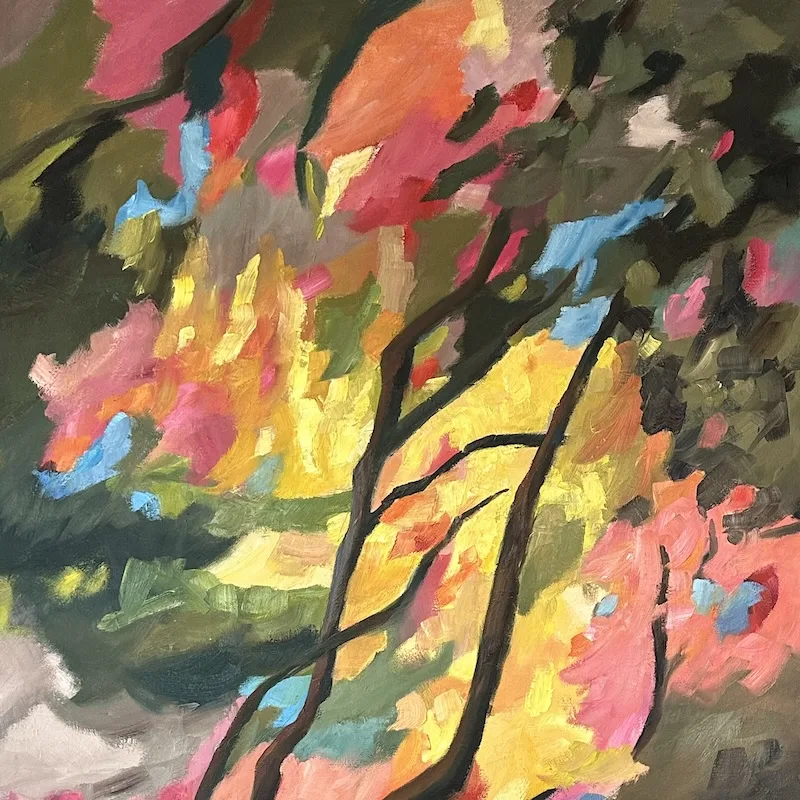
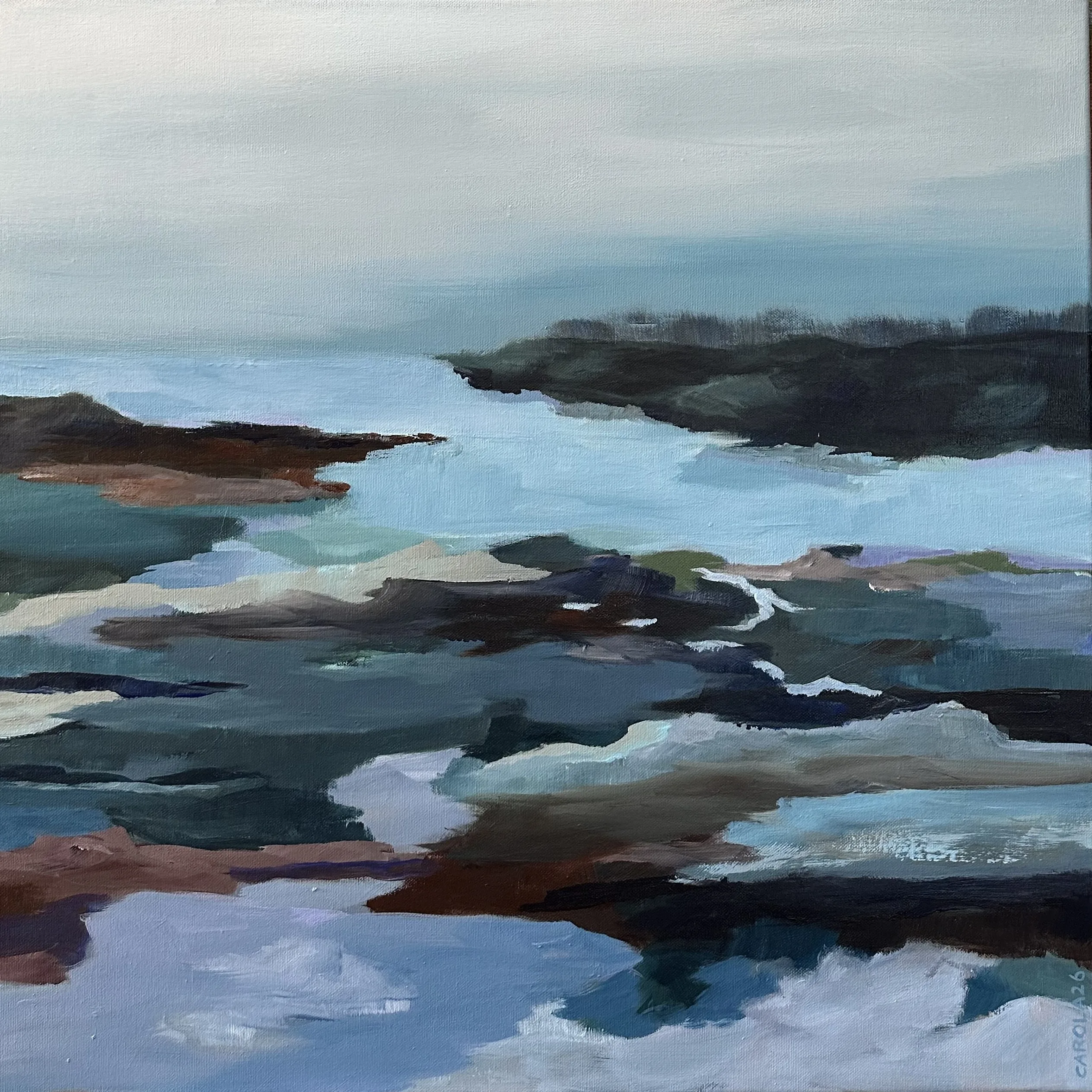
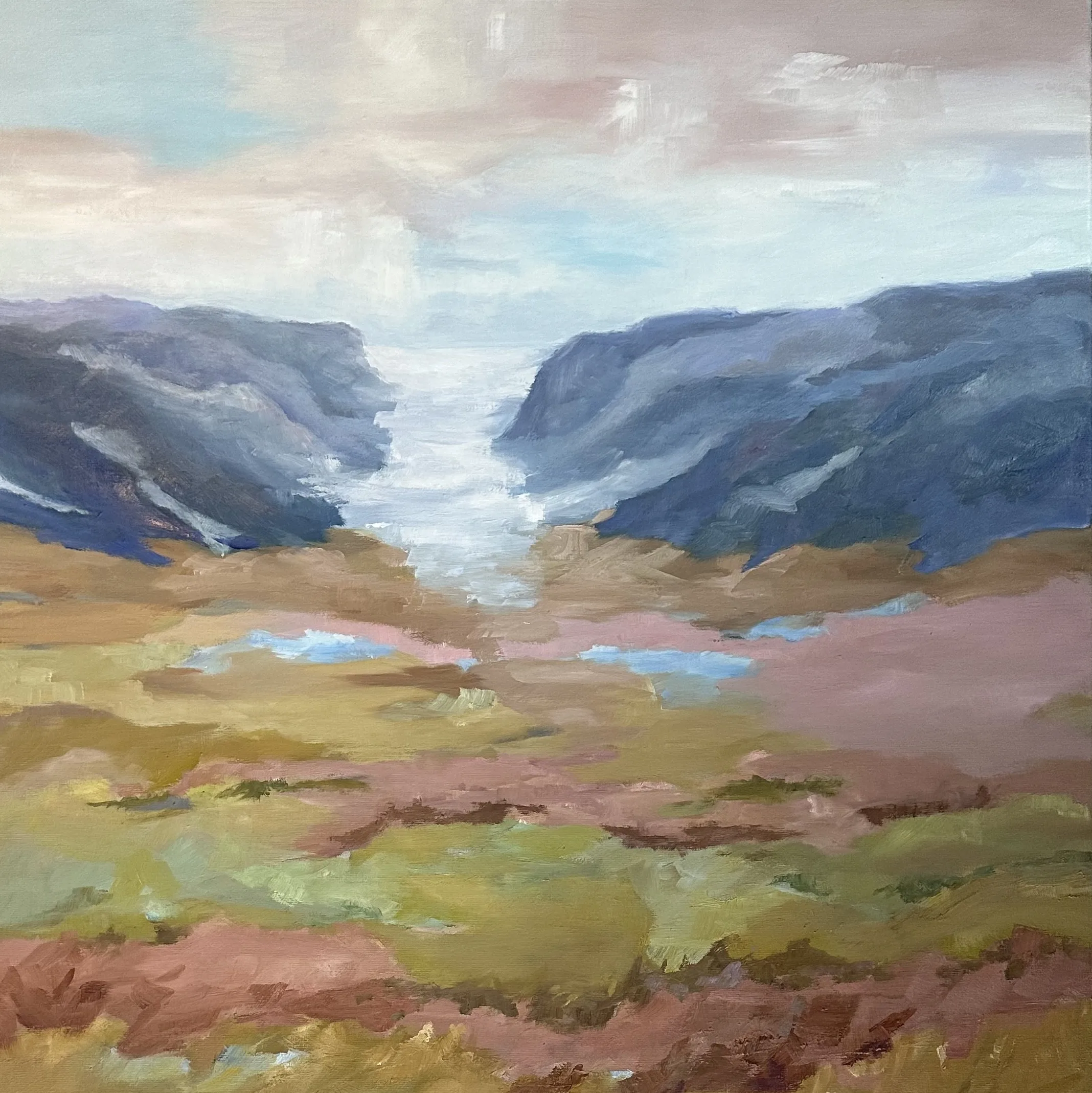
Text and painting: Carola Siksma Ruiters
You will find more interesting articles about art and painting on PaintingWiki