How to become a successful artist: a practical guide and 7 growth tips
February 2026
Is being an artist something that is simply in your genes? That’s not easy to prove, but many artists say that from an early age they felt an urge to create because they were constantly drawing, painting, crafting or sculpting. Experts often refer to this as a natural aptitude. Aptitude is one thing, but becoming a successful artist is quite another. As a professionally starting painter myself, I’m still at the beginning of this journey. I’ve immersed myself in background research and the steps required, and I’d like to share what I’ve learned. So here’s a practical guide for both emerging and more experienced artists, along with seven growth tips.
Is there such a thing as natural artistic talent?
Some children naturally have strong visual or creative intelligence. They see, feel and express themselves differently. They look at the world from another perspective and notice details, light, emotions and imagination. These are often the children who draw, paint and craft constantly and are fascinated by colours, shapes, materials or stories. What’s wonderful is that these children say they feel happiest when they are being creative. Adults who later choose to express themselves creatively often remember this feeling clearly.
Developing your artistic talent
Having talent as a child doesn’t automatically mean a career in the arts awaits you. Your environment plays a major role. Are you encouraged to draw? Stimulated to visit museums? Given enough space to express yourself creatively? If the answer is yes, a child has the chance to further develop their natural ability. Speaking for myself: I was one of those children who loved drawing, painting and sculpting. Yet I didn’t choose art school; I went into business instead. Fortunately, in my spare time I kept drawing and painting and took courses because it felt like a basic need. There are many artists with completely different career paths. You don’t have to attend art school to become a professional artist.
What is a self-taught artist?
A self-taught artist is someone who has learned everything independently without following formal training such as art school. This path requires a great deal of self-discipline and perseverance — after all, no one sets deadlines or final outcomes for you. The result, however, is often a personal and original style, free from academic rules. Self-taught artists tend to be creative, curious and independent thinkers who learn through self-study, experimentation, trial and error. Today’s autodidacts frequently use social media to present their work to the public in their own unique way.
How do you turn your passion into a successful profession? 7 tips
Becoming a successful artist and turning your passion for painting into a career requires more than talent alone. You need skill, networking, marketing and, above all, perseverance. The artist’s path is certainly not easy, so here are some practical tips and insights to help take your career to the next level.
1. Develop your skills
If you want to work professionally in the visual arts, craftsmanship is essential. Invest time in improving your technique: experiment with materials such as oils, acrylics and watercolours. In the early stages, try different subjects (portraits, landscapes, abstract work) and styles. It means practising, again and again, even on days when you don’t feel like it. Take workshops, online courses or attend art school to strengthen your skills and stimulate creativity.
2. Find your unique style
Artists are always inspired by others, but the goal is to develop your own visual language. How you do that is a complex question, you could write a whole book about it. Some artists naturally have a distinctive style; others take years to discover it. Ask yourself: what do you want to express with your art? What message do you want to convey? Which emotions, themes or stories matter to you? Developing an authentic style helps you stand out and attract an audience, and ultimately, that’s what most artists want.
3. Build a strong portfolio and create an online presence
Create a professional portfolio featuring your best work, ideally on your own website. Social media is unavoidable nowadays. Platforms such as Instagram, Pinterest and TikTok are powerful tools for showcasing your art. So, step out of the shadows, dare to be yourself and make your mark! My advice: focus on one or two channels rather than trying to do everything. Post regularly, use relevant hashtags and engage with your followers. Share the story behind your work — people don’t just buy art; they buy the emotion and narrative behind it. Ensure a professional appearance: from business cards to your website, your branding should reflect the artistic identity you want to project.
4. Network and exhibit
Make yourself visible. Take part in exhibitions. Start locally by joining art associations or participating in studio routes, group shows or pop-up exhibitions. Keep an eye out for open calls. Visit art fairs, lectures and events. Talk to gallery owners, curators, artists, interior designers and architects. Networking can lead to collaborations and exhibition opportunities, and more chances to sell your work.
5. Sales and commerce
Have you decided how much to charge for your work? Pricing should take into account material costs, time invested, your experience and the market value of comparable works. Don’t price too low, it can undermine your value, but pricing too high may deter buyers. In addition to your website and social media, you can sell through art platforms such as Saatchi Art, Artfinder or UGallery, which charge commission. Consider commissions, teaching workshops, or selling prints, posters or merchandise. Evaluate carefully whether these investments are worthwhile for you.
6. Work with a gallery
See whether you can collaborate with a gallery. They can present your work to serious collectors and handle sales, exhibitions, marketing and administration. This can save you a lot of time. Be aware that galleries typically take commission, often between 30% and 50%. If you want to work with a gallery: approach them with a professional portfolio.
7. Keep learning and build resilience
The art world is constantly changing, so stay informed. Visit museums and exhibitions, listen to feedback and keep experimenting. The road to success is long and setbacks are inevitable. Many artists struggled for years before gaining recognition.
Why do artists earn less than people in business?
I’ve often wondered why visual artists tend to earn far less than those in business. You become an artist out of passion, but the financial reality can be harsh. On average, artists earn considerably less. There are several reasons:
- Unlike economists or IT specialists, art is often seen as a luxury rather than a necessity, which leads to oversupply and lower prices. The art world is small and difficult to monetise.
- The value of art is subjective and hard to measure. Prices depend on taste, trends and reputation.
- Consultants can charge hourly rates; artists can’t easily quantify the value of their work beyond time and materials.
- Artists can’t mass-produce. Each artwork requires time, craftsmanship and inspiration.
- Many artists are self-employed without financial security, pensions or benefits. The chance of receiving an art subsidy is also very small. Compare this to someone with a permanent position in a company, with access to bonuses, a company car and career prospects!
- Finally, there’s societal appreciation. People and governments agree that art makes us happy and is important for our culture and society. Yet, art is generally seen as non-essential and hard to quantify. This leads to less government support and less willingness to pay for art. Many people expect artists to sell their work for little money but this is not good for the professionalisation of artists who simply want to earn a fair living.
3 Essential qualities to become a successful artist
Research shows that only 10% of graduates from an art academy are able to make a living from creating their own artworks. Only a very small group (just 1%!) can earn a comfortable income from it. Fortunately, unemployment is low among people who have completed this programme; most graduates do find work, but not as self-employed artists. Conclusion: a career as an independent artist after art school is only achievable for a very small group.
According to art historian Sacha Bronwasser, there are 3 qualities you can develop as a visual artist to become a professional artist: 1. Dedication and discipline; it’s a continuous process of doing, researching and producing. 2. Dealing with doubts and uncertainties. Professional artists don’t let themselves be paralyzed but see it as part of the creative process. And 3: Learning to see and think conceptually. It’s not only about technique, but about having your own vision and the ability to tell a story visually. According to Bronwasser, as an artist, you are a combination of a craftsman and a conceptual thinker. Source: Zo werken wij, Sacha Bronwasser
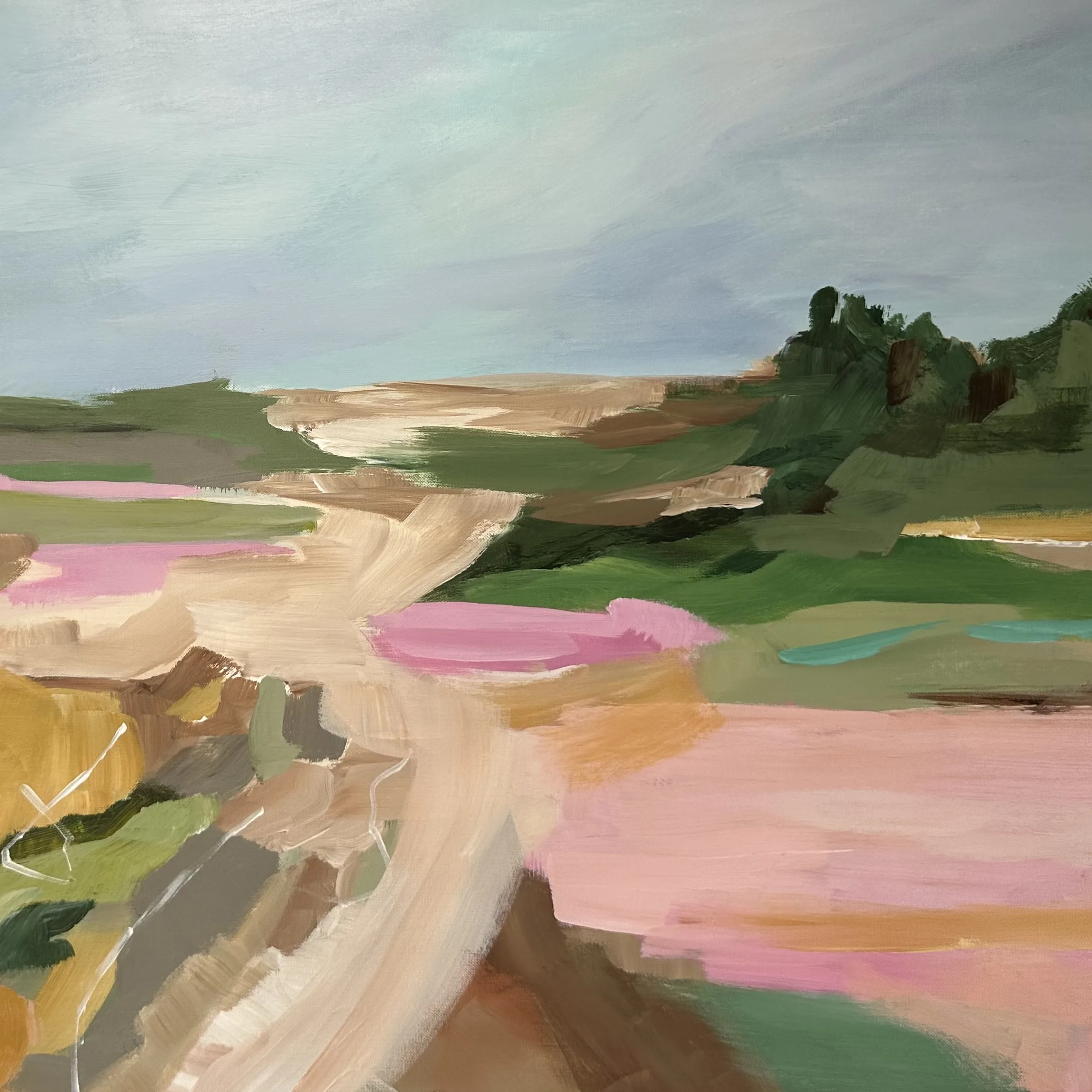
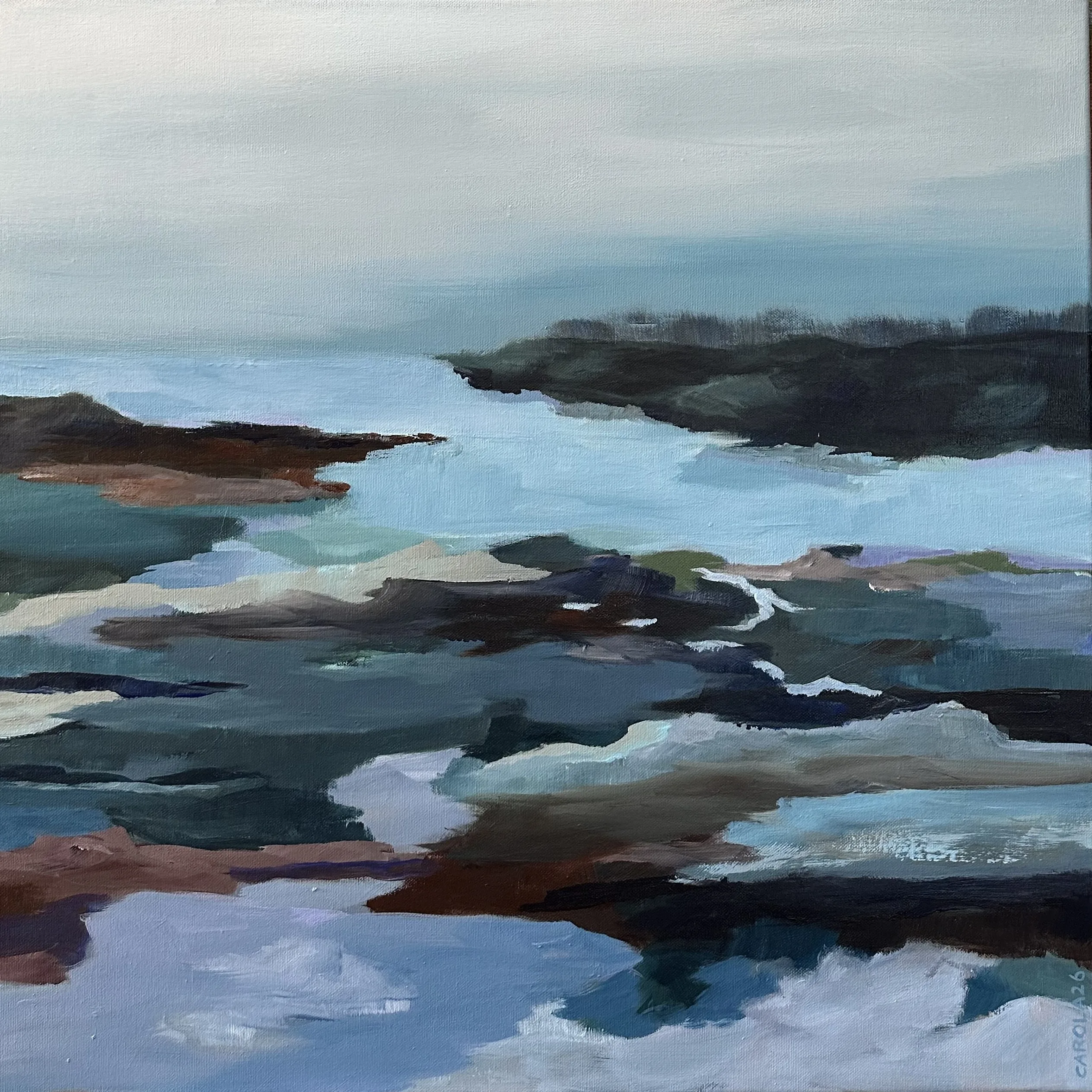
Text and painting by Carola Siksma Ruiters
Want to learn more about art and painting? Read more on PaintingWiki!