7 Trends in art painting in 2026
January 2026
I love visiting museums, especially when there is an exhibition featuring painting. Museums are generally free to visit with a Museum Pass, and we usually combine the visit with a good walk through a village, city or natural surroundings. A guaranteed enjoyable day out! In addition, I try to read as much as possible about art and new exhibitions. In this article, I share seven key trends in art painting in 2026, as I experience them from my own studio and observe them among fellow artists, exhibitions and galleries in the Netherlands.
1. Process-led painting: letting the canvas speak
I start with an important trend: in my studio and those of fellow artists, I increasingly see how the making of a painting is left visible. Traces of earlier layers, drips, reworkings and sometimes even damage are no longer concealed. A painting does not have to be ‘finished’ in the classical sense; the process takes centre stage. This process-led approach is highly visible in contemporary painting: large canvases, rough materials and a direct physical relationship with the surface. Paint is combined with textile, paper, wood or found materials. The painting increasingly becomes an object. When visiting exhibitions, I see works that no longer hang flat on the wall but extend into the space. Perhaps this is a reaction to digital perfection and a growing need for tactility and honesty?
2. Contemporary surrealism and personal visual language
Surrealism is making a return, but not as a style from the past. In 2026, I mainly see painters working from personal experience: imagery emerging from memories, dreams or inner conflicts. As an artist, you do not need to fully explain these images. Leaving meaning open gives the viewer space. These paintings are often figurative, but not realistic. The works balance between recognition and alienation. How can the return of contemporary surrealism be explained? According to experts, surrealism has always been an important movement, hence this trend. The unconscious and dreams remain a vital source of creativity, especially in times when the world feels chaotic and uncertain.
3. Naïve and expressive painting as a conscious choice
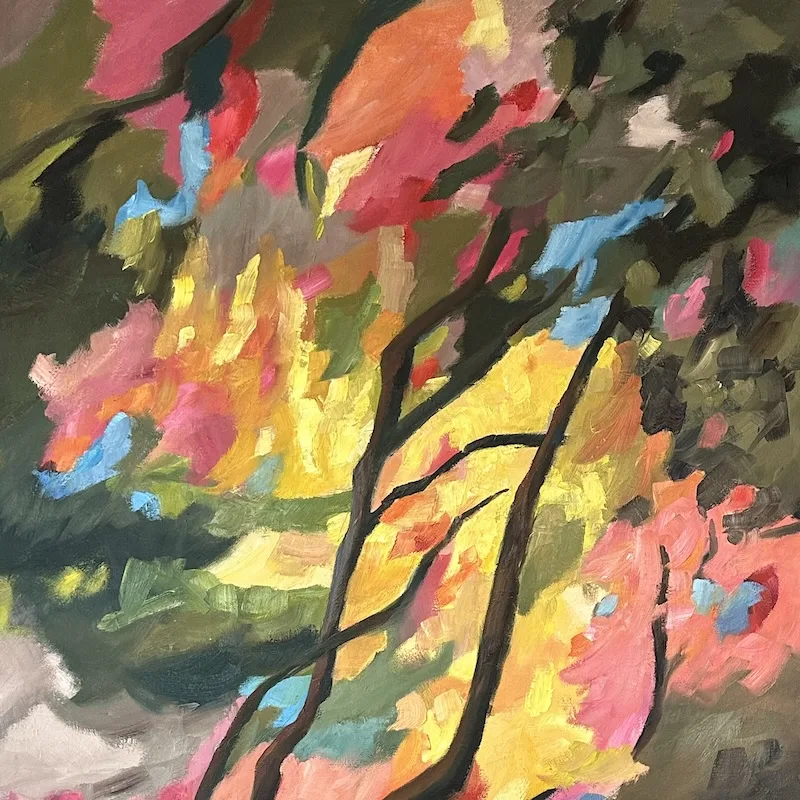
More museums and galleries are opening their doors to naïve painting. This style is characterised by simplicity, bright colours, direct line work and the deliberate absence of perspective, which can make the works appear childlike, flat or decorative. But what may look childlike is rarely naïve in intention. Increasingly, painters consciously choose simple shapes, direct lines (without shading) and unpolished colours—not out of lack of skill, but to place emotion and feeling at the centre. This choice may also be a deliberate contrast to the norms of the traditional art world. Personally, I believe that in these complex times many people long for authenticity, childlike simplicity and spontaneity, free from academic rules. It is an accessible and honest style that appeals to a broad audience while encouraging viewers to see reality differently.
4. Sustainable painting: materials matter
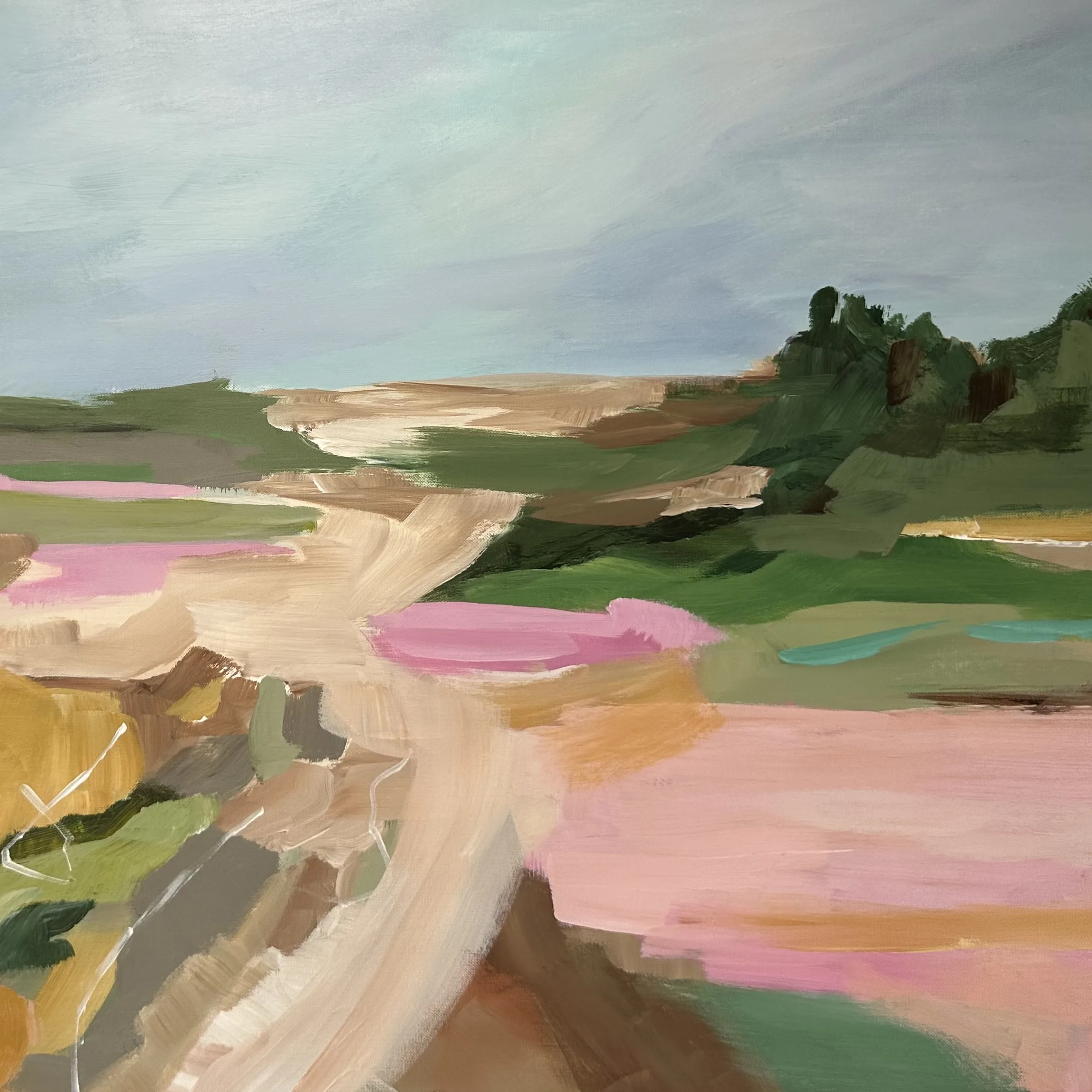
In 2026, sustainability is no longer an additional theme but an integral part of artistic practice. I see artists working with and researching natural pigments, reused canvases and environmentally conscious alternatives to traditional paint. Think of the use of recycled materials such as plastic, textiles and concrete. For paint, artists choose preferably natural, biodegradable options. Subject matter is also shifting: landscapes, climate issues and impermanence play a larger role. Sometimes this is quite literal—bringing nature from outside to inside by using natural colour palettes such as greens and blues that have a calming effect, botanical art, natural landscapes and tropical themes. Read more about the use of sustainable oil paint.
5. AI as a creative partner
Artists are increasingly using AI tools—for creating sketches, exploring colour studies and even completing artworks. Digital techniques are also used in exhibitions, offering visitors interactive experiences. I have written a separate article about this trend: AI as a tool for artists.
6. Identity and the body as recurring themes
Contemporary painters devote a great deal of attention to identity, gender and corporeality—not as a statement, but as an exploration. The body is distorted, fragmented or represented symbolically. As a painter, this means daring to deviate from idealised forms and making space for vulnerability. Contemporary painters celebrate their diversity and identity on the canvas. Figurative painting therefore remains important, but it becomes more personal and less literal.
7. Atmospheric painting and slowing down
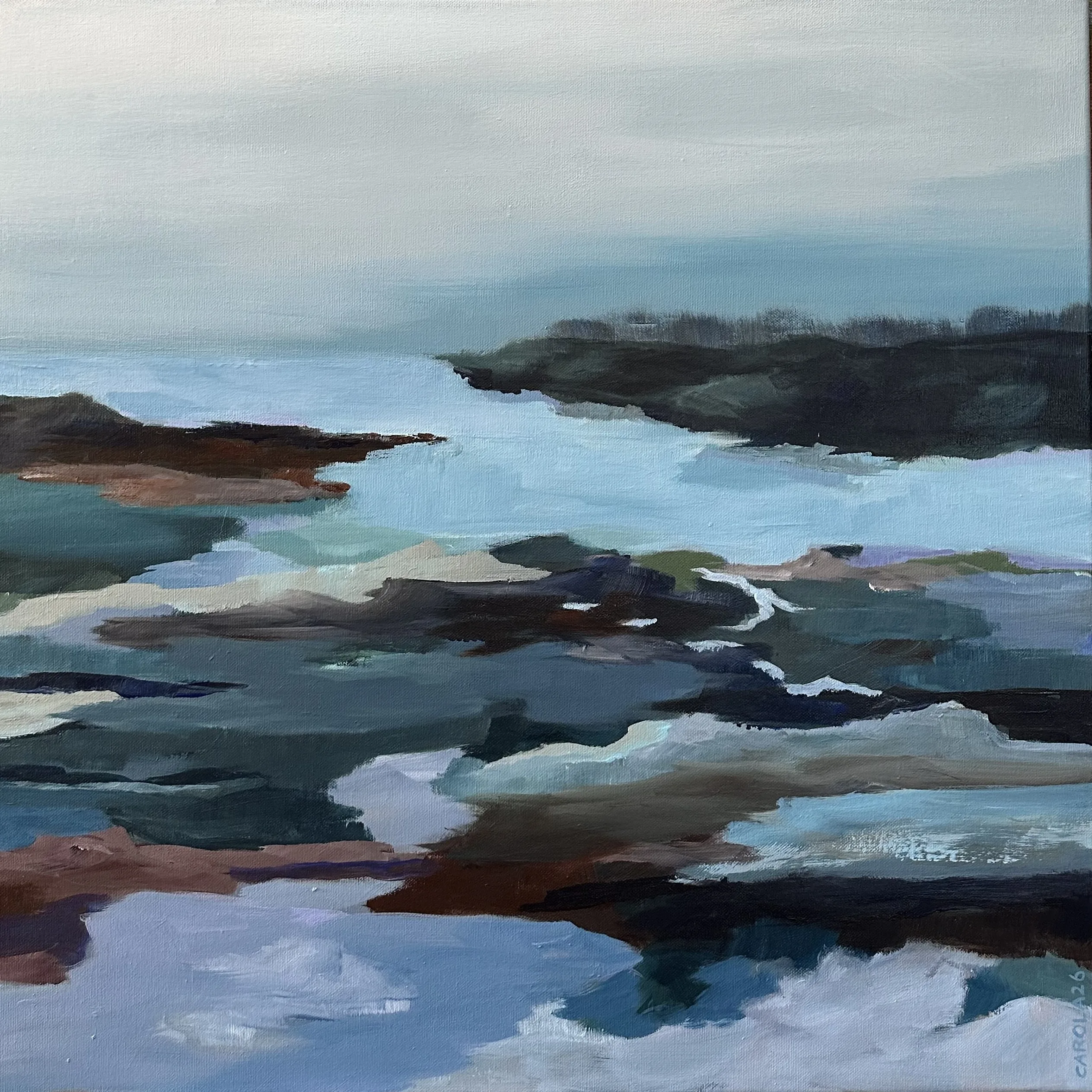
Alongside expressive work, there is another trend: paintings that convey silence and calm. Soft transitions, blur and minimal contrasts invite slow looking. This approach mimics atmospheric effects: distant elements appear lighter with more blue and grey tones, while the foreground is clearer, with more detail and saturated colours. The result is a realistic, three-dimensional image. In a world saturated with visual stimuli, this is a kind of resistance. Atmospheric painting creates space—for both the viewer and the maker.
Painting in 2026 is defined by authenticity
If we were to assign one unifying concept to the painting trends of 2026, it would be the search for authenticity. Whether working abstractly, figuratively or experimentally, painting remains a place where time, attention and humanity come together and that is precisely what we need in these times!
Text and painting by Carola Siksma Ruiters
Want to learn more about painting art? Then read the other articles about painting art and techniques!