Why paint with acrylic paint?
November 2025
While oil paint was the standard for painters for centuries, more and more artists, from beginners to advanced, are discovering the power and versatility of this modern medium. What makes acrylic paint so appealing, and what should you consider? In this article, you’ll read all about the pros and cons of painting with acrylic paint. Want to know more about oil paint? Then read my other article.
What exactly is acrylic paint?
First of all: what exactly is acrylic paint? Acrylic paint is a water-based paint made with pigment and an acrylic resin binder. As soon as the water evaporates, a solid, durable paint layer forms. This means acrylic paint dries much faster than oil paint, and you can use it on almost any surface—from canvas and wood to paper and plastic. Here are the advantages at a glance:
1. Fast drying time
I started with oil paint myself, but I discovered that I prefer quick applications and don’t want to spend too much time polishing. The fast drying time is one of the main reasons to choose acrylic paint. You can often start a second coat within minutes. This is ideal if you want to work quickly or apply multiple coats without waiting too long! Good to know: dried acrylic paint is water-resistant.
2. Many applications
Acrylic paint offers endless possibilities. Dilute acrylic paint with water to spread it more easily and thin it until it resembles watercolor. Combine acrylic paint with a thick medium to create impasto textures reminiscent of oil paint. This makes acrylic paint suitable for abstract art, realistic portraits, and modern mixed-media projects. If you like working with thin acrylic paint, and want to move more towards watercolor, I recommend choosing high-quality watercolor paint.
3. Color strength and long-lasting brightness
Acrylic paint is known for its vibrant, intense colors. Modern pigments retain their brightness for years and don’t yellow easily. A protective varnish also protects the painting from UV light and dust.
4. Easy to clean
Because acrylic paint is water-based, you don’t need turpentine or harmful solvents to clean brushes and palettes. You can easily clean all your tools with soap and water, which is much healthier and more environmentally friendly!
5. Affordable and accessible
Compared to oil paint, acrylic paint is often less expensive. Moreover, you need fewer materials to get started. This makes acrylic painting perfect for beginning artists who want to experiment without a major investment.
Unfortunately, acrylic paint also has several disadvantages:
1. Drying time is too fast
Depending on the thickness of the layers, the temperature in the room and the humidity, acrylic paint dries within 5 to 20 minutes. The fast drying time is an advantage, but it can also be a disadvantage. Sometimes you just want to continue working with the applied paint even though it’s (almost) dry. Mixing colors on your palette or creating smooth transitions in your work is also more difficult because of the fast drying time. Using a retarder or medium suitable for acrylic paint can extend the drying time somewhat.
2. Color changes during drying
Sometimes I find it difficult to work with the following: acrylic paint becomes slightly darker as it dries than, for example, oil paint. This sometimes makes it difficult to mix exactly the right shade, especially when working in detail.
3. Less gloss than oil paint
Although acrylic paint produces beautiful results, it sometimes lacks the deep gloss and transparency of oil paint. You can compensate for this by adding a medium to your paint, or varnishing your work afterward for a glossy finish.
4. Chance to drying out
Acrylic paint dries quickly not only on the canvas, but also on your palette. To delay drying as much as possible, it’s best to spray your palette with water so you can continue working longer. Or use a wet palette that you can close.
Painting with acrylic paint: what do you need?
Have you decided to choose acrylic paint? What exactly do you need? Acrylic paint is available in jars and tubes from various brands. As a beginner, it’s best to choose tubes to see if you like it. With the basic colors: red, blue, yellow, titanium white (opaque white), plus ochre, sienna, and burnt umber, you can create any color. I rarely use black myself because I prefer to make it myself from burnt umber and ultramarine. Good brands are Amsterdam, Rembrandt and Van Gogh from Talens and Galeria from Winsor & Newton. Read more about choosing colours for your painting.
A few more tips for painting with acrylics
- If you’re starting with acrylic paint, invest in good acrylic paint and brushes. Because the paint dries quickly, the natural hairs of brushes are more susceptible to damage. Make sure you have the following on hand: a palette, a container of water, old rags or a roll of paper towels, and perhaps some mediums. Avoid cheap acrylic paints from stores like Action. They won’t improve the quality of your work. These paints contain much less pigment, meaning they don’t cover as well, and you’ll need multiple layers. This means you’ll need even more paint! Other common complaints are that cheap acrylics have a watery consistency, can discolor afterward, or develop a grayish cast. It’s a waste of all your hard work!
- As a base you can choose a sturdy canvas, paper suitable for acrylic paint, a MDF or wooden panel or a piece of cardboard prepared with gesso.
- Regularly spray your palette with a mist of water to slow the drying process, or use a wet palette. Work quickly in thin layers and avoid direct sunlight or heat.
- It’s fun to experiment with mediums for added gloss, texture, or to slow the drying time. When painting with acrylic paint, you can choose from a gloss medium for added shine, a matte medium for a matte effect, a gel medium for a thicker texture, modeling paste for more structure, and a retarder to slow drying.
- Finished painting and want to clean your brushes? Read here for the best way to do it.
- For extra protection, you can varnish your work with matte or gloss varnish afterward.
Can you paint over acrylic paint with oil paint?
A frequently asked question is whether you can combine acrylic paint with oil paint. The answer is: you can easily create an underpainting with acrylic and then paint over it with oil paint. The reverse doesn’t work. Oil paint adheres well to acrylic, but acrylic doesn’t adhere well to oil!
Conclusion:
Painting with acrylic paint offers a great deal of creative freedom, bright colors, and ease of use. It’s an ideal medium for both beginning painters and experienced artists who enjoy experimenting with technique and texture. However, acrylic paint requires a certain amount of speed and planning due to its rapid drying time and color change. Once you’ve mastered this, acrylic paint is one of the most flexible and modern paints available; it’s the modern classic for your canvas!
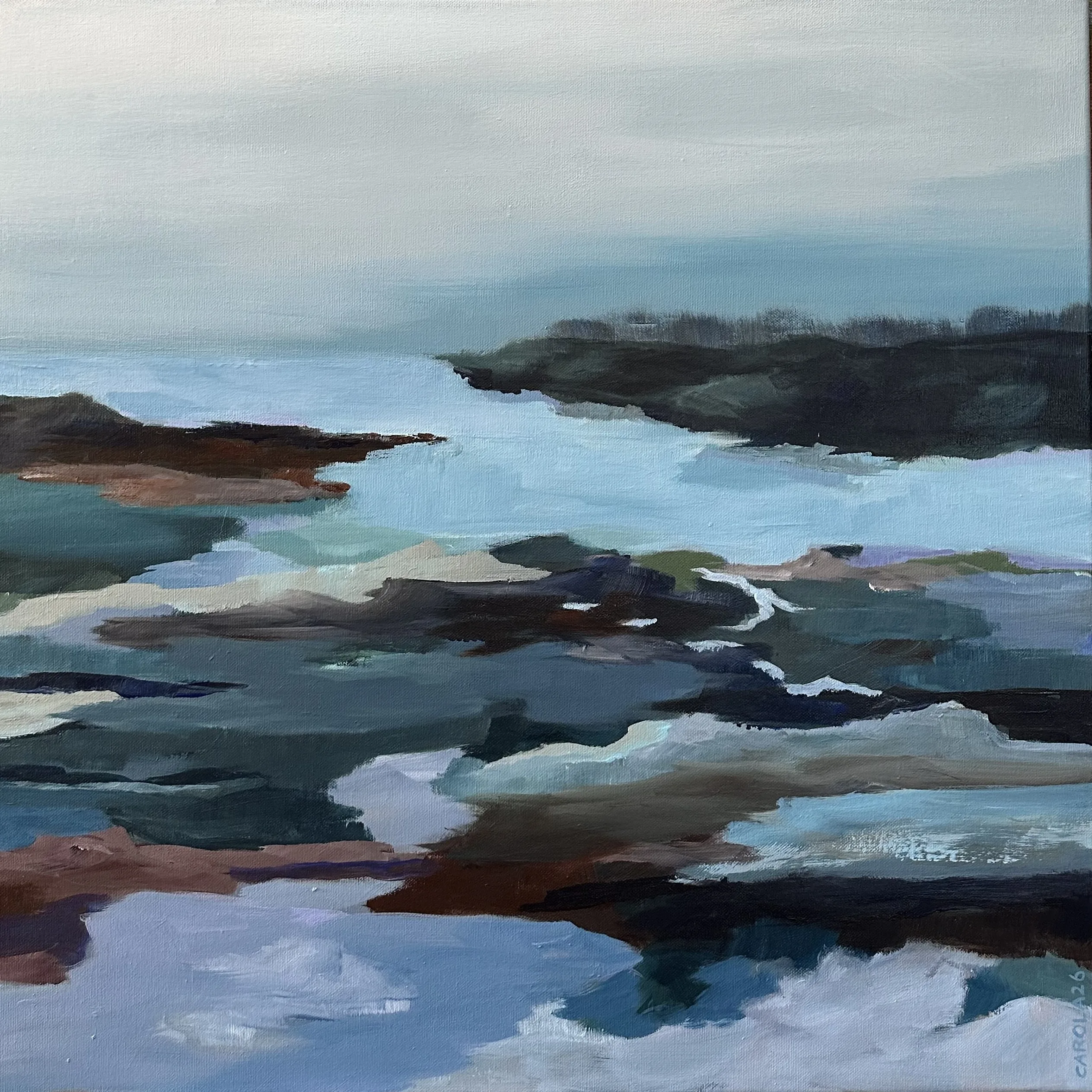
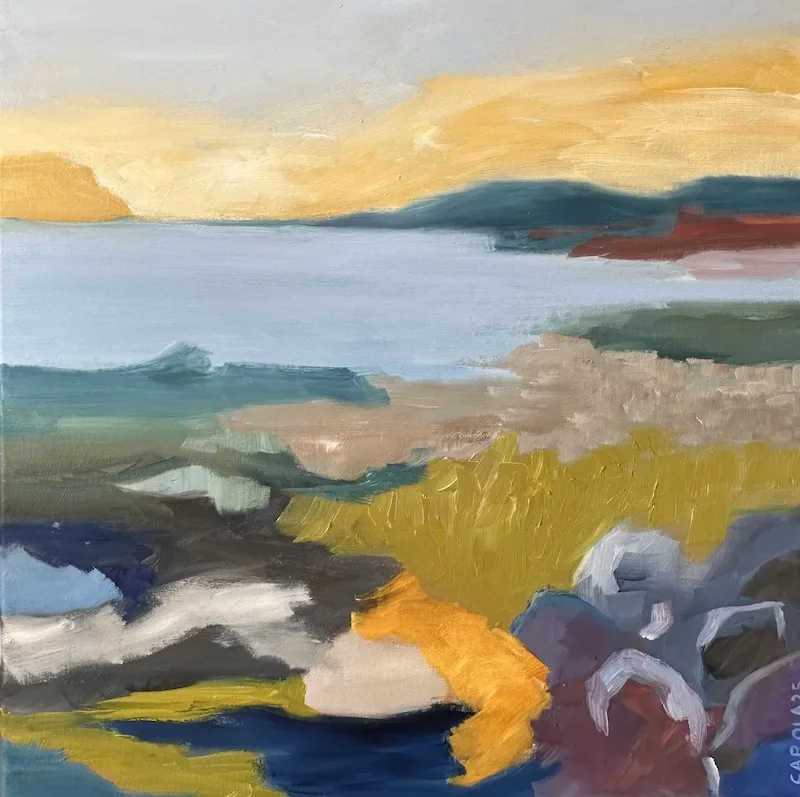
Text and painting by Carola Siksma Ruiters
Want to learn more about art? Then read the other articles about art movements, techniques, and famous artists!